

Commercial Landscape Installation
Installed to the Plan. Inspected Against It.
New-construction and renovation landscaping for corporate campuses, retail centers, multifamily communities, and public facilities, installed to the landscape architect’s plan and inspected against it.
Overview
Most Installs Fail in the Grading, Not the Planting.
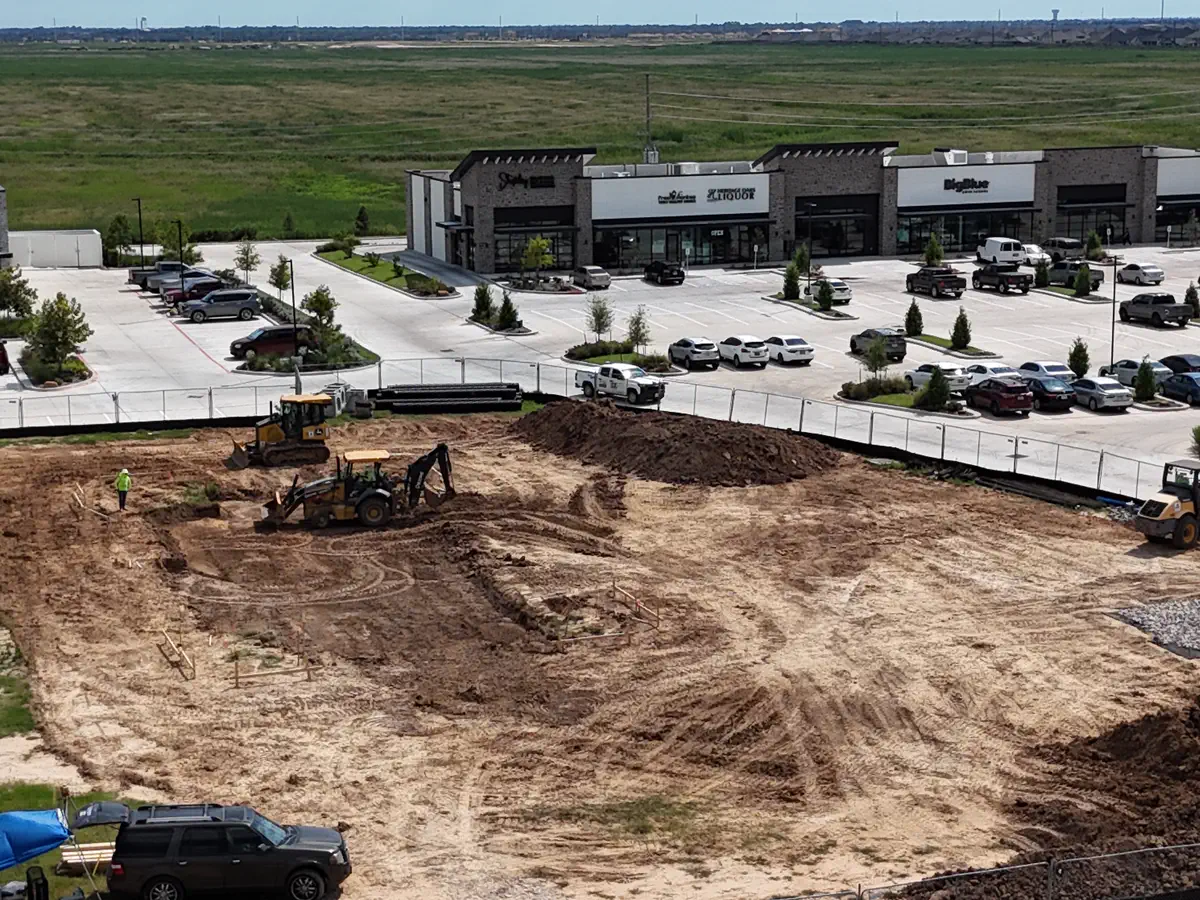
By the time plant material reaches a commercial site, the decisions that determine whether it lives have already been made. Whether the subgrade drains or holds water. Whether the soil in the beds is topsoil or the same compacted fill the building sits on. Whether the irrigation sleeves went in before the walks did, or whether someone is about to saw-cut concrete that was poured last week.
We work the sequence in that order: grade and soil first, coordination with the civil and irrigation trades second, plant material last, and a punch-list walkthrough against the plan set at the end. The specification is the contract, and a substitution nobody approved is a callback waiting to happen.
What’s included
Every Landscape Installation Project Covers This.
Scope is written down before work starts, so “that was not included” never becomes a conversation halfway through.
- Site grading and soil preparation. Finish grade set to drain where the plan says it drains, with bed soil amended or replaced rather than planted into construction fill.
- Tree, shrub, and groundcover installation. Plant material sourced to the specified size and species, set at the right depth, and staked only where it genuinely needs staking.
- Sod and turf establishment. Turf laid on prepared grade and carried through establishment, so it is rooted and accepted rather than simply delivered.
- Hardscape tie-ins and planting bed edging. Clean transitions where beds meet walks, curbs and paving, with edging that holds its line after the first season.
- Coordination with irrigation and civil trades. Sleeves, point of connection and finish grade coordinated with the other trades before they are paved over, not after.
- Plan-spec compliance and punch-list walkthroughs. We walk the finished install against the plan with your team and close the punch list in writing.
How it works
Four Steps, No Surprises.
You will always know what happens next, who is coming, and what it costs before work starts.
-
01
Consult & Assess
We walk the property together, test the soil and drainage, and listen to how you actually want to use the space. Free, and about an hour.
-
02
Design & Plan
You get a scaled plan, a planting palette, and a line-item budget. We revise it with you until it is right: on paper, not on site.
-
03
Build & Install
Our crews handle grading, hardscape, irrigation, and planting in sequence, with a named lead on site and a weekly progress update.
-
04
Nurture & Maintain
A garden is not finished the day it is planted. We stay on through establishment and, if you like, for the years after.
Questions
Landscape Installation, Answered.
The four things people ask us most before booking this work.
Something not covered?
Call (832) 692-3165 and speak to the person who would run your project.
Both, though most of our commercial installation work is plan-spec: the landscape architect has drawn it, the general contractor has bid it, and our job is to build exactly that. We will flag a detail we think will not survive the site conditions, but we do not substitute plant material or change a grade without written approval.
Yes. Most of our new-construction work runs that way, with our scope coordinated against the civil and irrigation packages and our documentation handed over for the closeout set.
We come to you with the substitution before we buy it, in writing, naming the size and species we propose instead. Quietly swapping a spec is how an install fails its walkthrough, and it is never worth the week it saves.
We can, and it is usually cleaner when one contractor holds both scopes. Irrigation installation is priced separately so you can still compare it against another bid, but the coordination between the two stops being your problem.


